



Fintech & Banking
Built for the audit, not the demo
We build lending, payments and banking software for teams who have to explain a credit decline months later and prove the settlement file matched the ledger.
Talk to us about your projectWhere fintech builds actually go wrong
The demo is never the hard part. The hard part arrives when the acquirer's settlement file disagrees with your own ledger by a few hundred rupees, and someone has to say which one is right before month end closes. We design the ledger and the reconciliation before the screens.
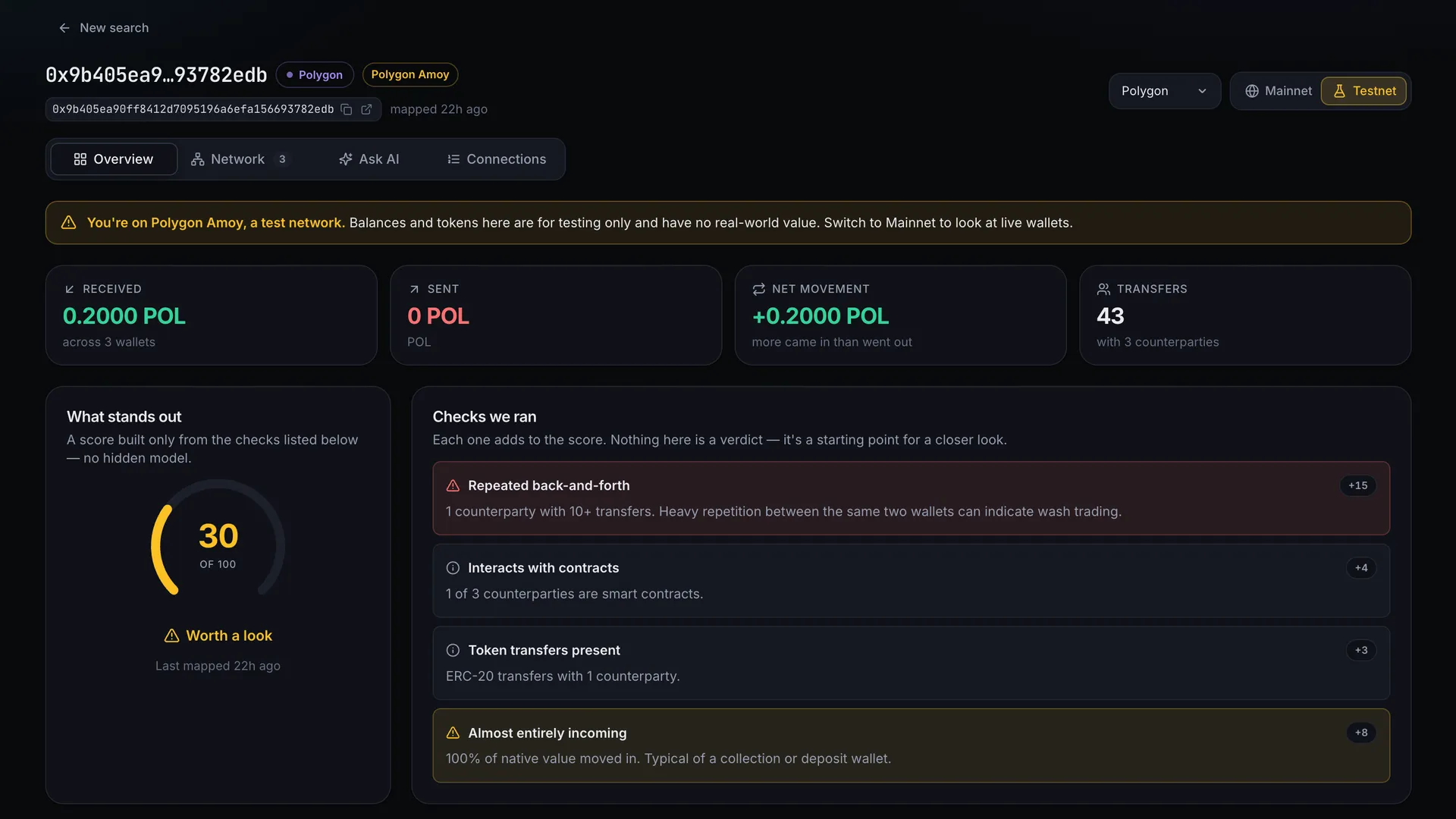
The second thing that bites is the decision you cannot explain. A model that declines an applicant will eventually be asked why, by that customer or by a regulator — so reason codes, feature attribution and a stored copy of the model version are part of the build, not a later phase.
Capabilities
What we build for lenders, banks and payment firms
A neobank, a lending book and a payments switch share compliance vocabulary and very little else, so we scope them as separate products rather than one platform with three toggles.
Payment gateway and switch integration
Card, UPI and wallet rails wired into your checkout, with card-on-file tokenisation so a raw PAN never lands inside your own PCI DSS scope.
Ledgers and reconciliation
A double-entry ledger reconciled daily against acquirer settlement files and bank statements, with breaks queued for a human instead of quietly netted off.
Credit scoring and underwriting
Scorecards built on bureau and alternative data for thin-file borrowers, returning adverse-action reason codes beside the decision so a decline can be defended.
Fraud and transaction monitoring
Anomaly scoring on the authorisation path, with rules held separately from model output so a risk analyst can move a threshold without a deploy.
KYC, AML and sanctions screening
Document capture, liveness checks and CKYC or Aadhaar-based eKYC, plus sanctions and PEP screening where every hit keeps a reviewable decision trail.
Open Banking and account aggregation
Consent-led data pulls through UK and EU Open Banking APIs or India's Account Aggregator framework, including the consent revocation path most builds forget.
Core banking and bank APIs
Integration with core banking platforms, NEFT and IMPS flows, ACH batch files, and ISO 20022 messaging as banks retire the older SWIFT MT formats.
Cross-border and stablecoin settlement
Tokenised settlement rails built to sit beside correspondent banking rather than replace it, carrying Travel Rule originator data alongside the transfer itself.
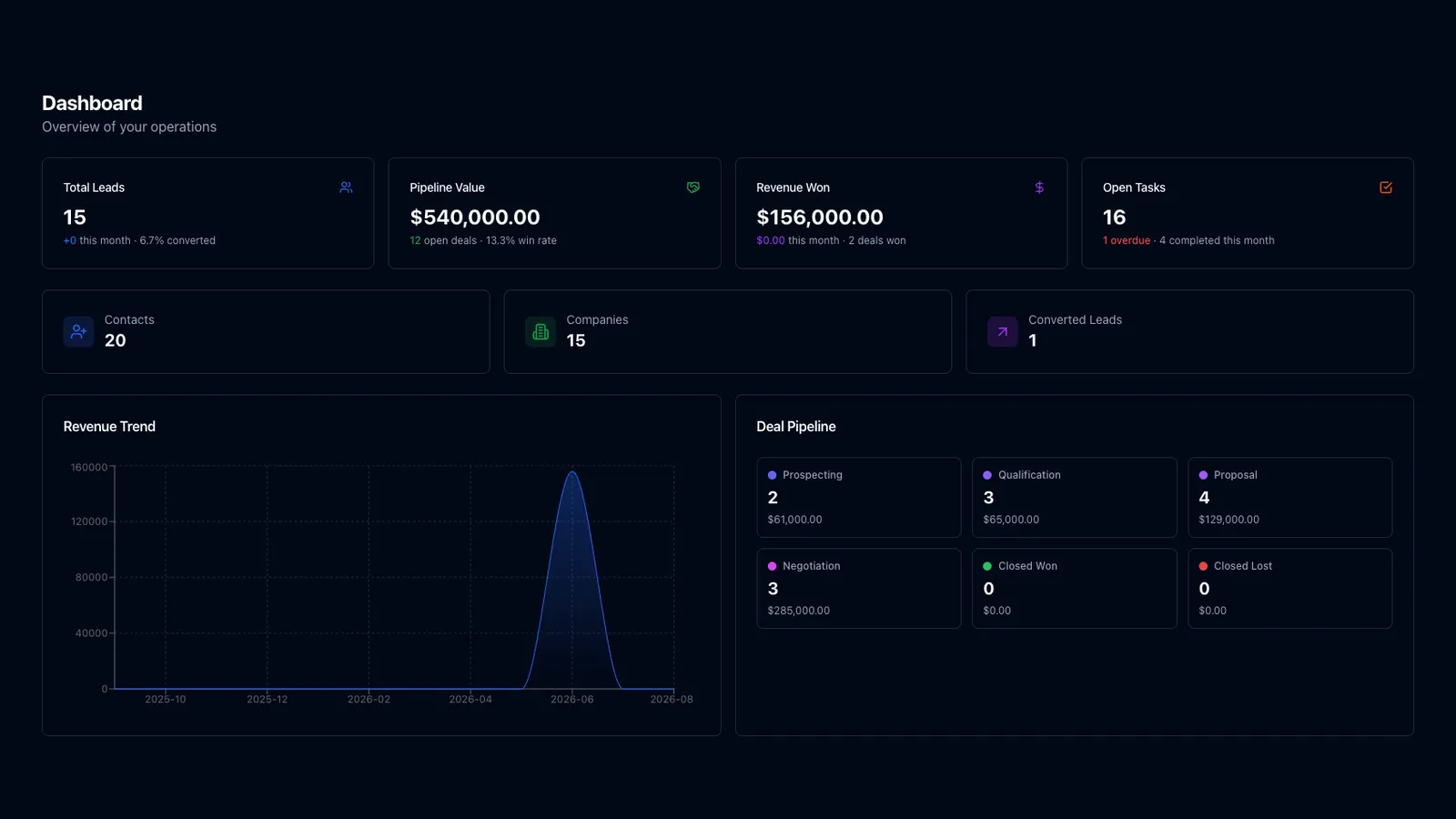
Customer apps and merchant dashboards
Digital banking and wallet apps, merchant and investor dashboards, designed around dispute and chargeback reason codes instead of bolting them on afterwards.
What you get
What you can hand to an auditor
Every engagement ends with artefacts your compliance officer, your acquirer and the engineer who inherits this can each read without a walkthrough.
- LIVE PLATFORM
- The system, in production
- Deployed with source, infrastructure code and runbooks handed over. Your team can change a fee rule or open a new corridor without booking time with us.
- DATA FLOW MAP
- Where card and KYC data sits
- Every store and transit hop for card numbers, KYC documents and customer PII, written down. This is the document your PCI assessor and your data protection officer will both ask for.
- MODEL DOSSIER
- Scorecards, features and versions
- Feature definitions, training data lineage, reason-code mapping and the stored model version behind each decision. Without it, a challenged decline cannot be reconstructed after the fact.
- RECONCILIATION PACK
- Ledger design and break handling
- How the ledger is structured, which files it reconciles against, and what happens to a break nobody resolves. Written for whoever actually runs your month end.
How we work
From regulatory constraint to live rails
Timelines below are typical for a first product. Approvals usually set the real launch date — an NBFC licence or PA-PG authorisation moves slower than any codebase, so we build alongside the application.
Scoping and compliance map
1–2 weeksWe write down which rules apply to your product, which data each one touches, and which flows must stop for a human signature before anything is designed.
Design review
1–2 weeksLedger, reconciliation and risk decisioning reviewed on paper. This regularly changes the design and sometimes ends the project, which is cheaper than learning it after the first settlement cycle.
Build and integrate
6–12 weeksCore flows, gateway and bank integrations, KYC and the ledger, with sandbox certification against each provider before anything is allowed near production money.
Certification and launch
2–4 weeksPenetration test, acquirer and bank partner sign-off, then a capped-volume live run on real transactions before the product or the corridor opens fully.
Is this the right service for you?
Worth reading before you get in touch — it saves both of us a call.
A good fit if…
- You move real money and someone already owns the reconciliation
- A regulator, acquirer or partner bank will review what you build
- You can name the licence or sponsor bank you operate under
- Risk decisions must be explained to customers, not only scored accurately
Probably not, if…
- You only need the rails wired in — see Custom Payment Gateway Integration
- The product is a compensation plan — Blockchain MLM Software fits better
- You want us holding the licence or giving legal sign-off
- Nothing here is regulated or moves funds — Web & SaaS Platform Development fits
Frequently Asked
Questions
Common questions about building regulated financial software.
We work within PCI-DSS (payments), KYC/AML (identity), GDPR and regional data protection laws, RBI guidelines for Indian fintechs, and SEC/FINRA rules for US securities-adjacent products. We don't provide legal advice, but we build with compliance requirements scoped upfront so your counsel can sign off.
Credit scoring with alternative data, fraud detection models, customer support agents for account queries, document automation for underwriting, personalization for investment and savings products, and compliance-focused agents that monitor transactions or flag suspicious patterns.
Yes. Tokenization platforms, stablecoin payment rails, cross-border remittance infrastructure, on-chain lending protocols, KYC and identity verification on blockchain, and smart-contract escrow. We pick public vs private chains based on regulatory and performance needs.
Yes. We integrate with Razorpay, Stripe, Plaid, Yodlee, Finicity, Salt Edge, and direct bank APIs (Open Banking in EU/UK, IndiaStack/UPI, ACH networks). For core banking, we work via APIs exposed by Flexcube, Finacle, Temenos, and similar.
A lending MVP or wallet app with KYC, payments, and a basic dashboard typically ships in 10–14 weeks. Full production platforms (multi-product, multi-jurisdiction) run 6–12 months. Regulatory approvals (NBFC license, PA-PG authorization) usually set the timeline — we build the software alongside the application.
Have a project in mind?
Fixed price after a paid discovery — no hourly billing. A real engineer reads every enquiry, and we reply within 24 hours.