


Web & SaaS Platform Development
The product your customers log into
We build multi-tenant SaaS platforms, internal operations tools and B2B portals end to end — including the billing, the permissions and the admin screens your support team lives in.
Talk to us about your projectWhat we actually build
Most of this work is not a greenfield SaaS. It is a workflow that currently lives in spreadsheets and shared inboxes, an internal tool written years ago that nobody wants to touch, or a customer portal people sign up for once and never return to. We size that problem honestly before we scope the build.
The parts that decide whether a platform survives are rarely the ones in the pitch: tenancy, permissions, billing edge cases, and the admin screens your own team opens all day. Those go in first. Retrofitting tenancy into a single-tenant app costs more than building it properly the first time.
Capabilities
What goes into the platform
Which of these you need depends on who logs in. A B2B portal used by a handful of enterprise accounts and a self-serve product anyone can sign up for are not the same build.
Multi-tenant architecture
Row-level security and tenant-scoped queries, so one customer's badly written filter cannot return another customer's rows. Audit logs on every write.
Auth, roles & access control
Google and Microsoft SSO, SAML for enterprise buyers, MFA, team invitations, and service accounts for machine access to your API.
Subscription billing
Plans, free trials, proration on mid-cycle upgrades, coupon codes, and dunning retries when a card fails, wired to Stripe or Razorpay.
Admin dashboards & ops tooling
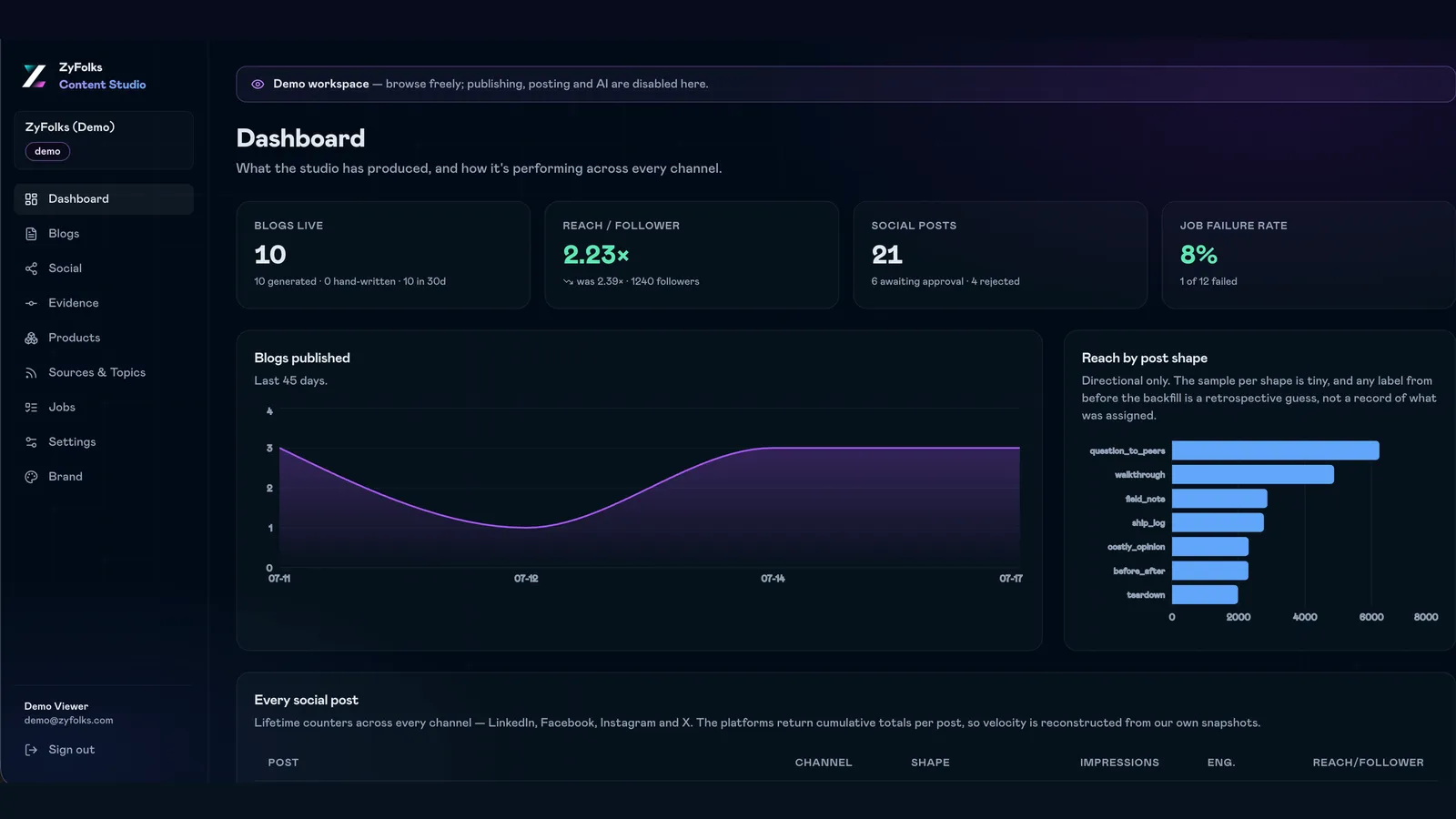
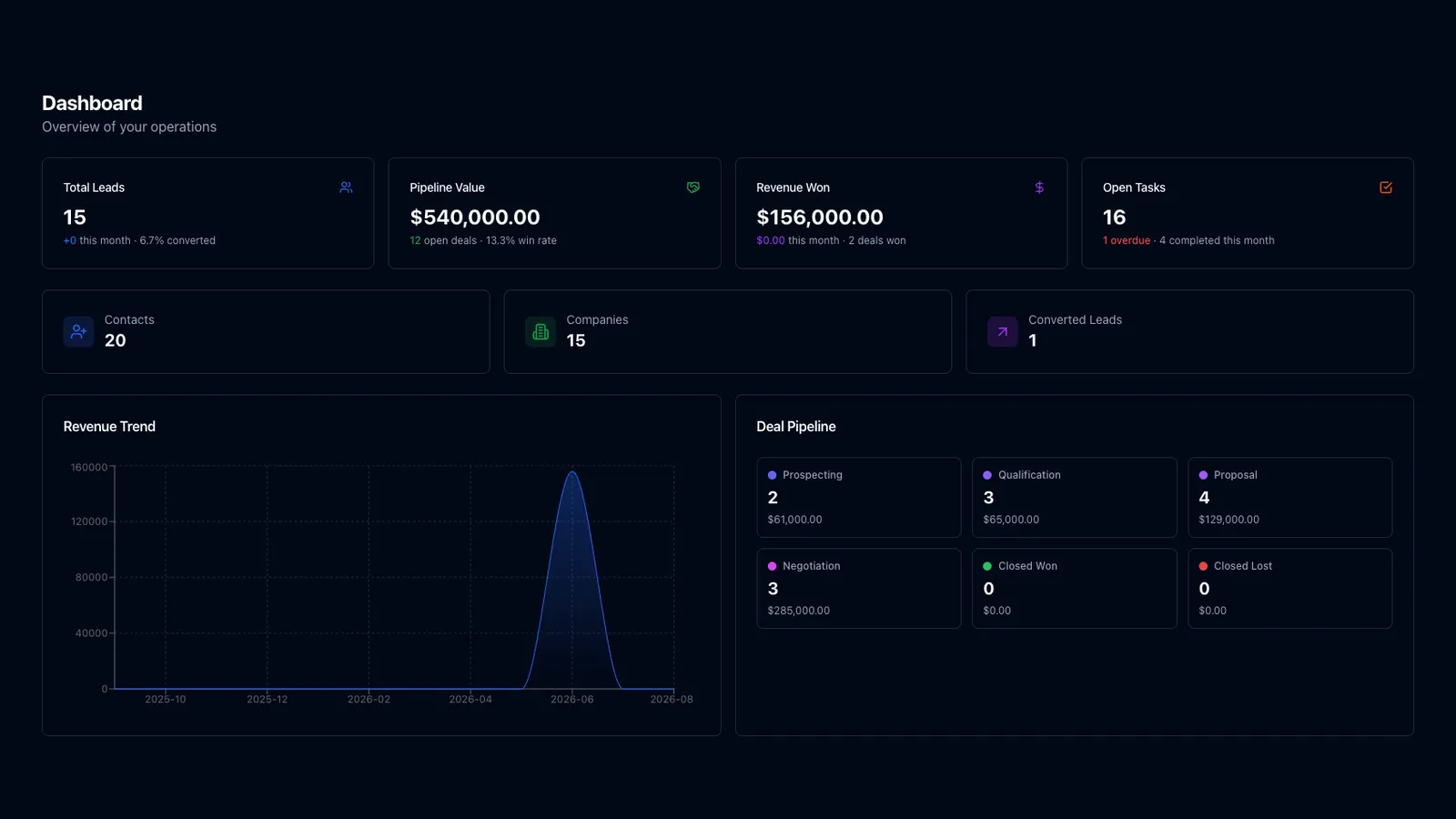
Customer lookup, user impersonation for support, usage analytics, feature flags and data exports — the screens your CS team opens first every morning.
Onboarding & self-serve signup
Signup, email verification, workspace creation, and a first-run state that gives a brand-new account something useful to do before it goes cold.
AI features in the product
Semantic search over customer data, AI-assisted drafting and natural-language filters. Deeper model work sits in our AI-Integrated Software service.
Integrations & data sync
Two-way sync with HubSpot, Salesforce, Zoho, QuickBooks or Xero, with field mapping and a reconciliation job that catches drift between systems.
Cloud infrastructure & DevOps
Terraform or Pulumi, CI/CD, separate staging and production, plus logs, metrics and traces so an incident is diagnosed from evidence rather than guesses.
API-first design
Every feature reachable over REST or GraphQL, so adding a mobile app or a partner integration later does not mean rebuilding the backend.
What you get
What you own at the end
You should be able to stop working with us and keep going. Each of these is written against that test.
- Working software
- The platform, in production
- Deployed to your cloud account or ours, with the repository, CI pipeline, staging and production environments handed over. Another team can make the next change without asking us anything.
- The data layer
- Schema, migrations and seed data
- The Postgres schema with its full migration history, so a new developer can rebuild the database from scratch and see why each table ended up shaped the way it is.
- Ops access
- Admin panel and written runbooks
- The tooling your support team uses, plus written procedures for the things that actually go wrong: a payment stuck in retry, a customer asking for their data exported.
- Documentation
- Architecture and running costs
- What was built and why those choices were made, the monthly infrastructure bill at current usage, and the parts that will need attention first as accounts and data grow.
How we work
From first call to live product
These are typical for a first release. Enterprise SSO and anything touching a compliance review take longer than most clients expect, so we say so upfront rather than at the end.
Discovery
1–2 weeksWe map the workflow the platform replaces, who logs in and with what permissions, and what has to be true at launch versus what can wait.
Scope & prototype
2–3 weeksClickable screens and the data model, priced. Sometimes this ends with us recommending a smaller build, an off-the-shelf tool, or no project at all.
Build
12–16 weeksShipped weekly to a staging environment from week two, so you review real screens the whole way through instead of approving one demo at the end.
Launch & run
OngoingProduction rollout, monitoring and cost tuning, then the changes that only become obvious once real customers are inside. Most clients move to a monthly retainer here.
Is this the right service for you?
Read this before booking a call. We would rather lose the enquiry here than four weeks in.
A good fit if…
- You have a workflow that has outgrown spreadsheets and shared inboxes
- Customers or staff will log in, with different permissions per role
- You charge subscriptions already, or expect to within a year
- You want the source code, the infrastructure and the ability to leave
Probably not, if…
- You need a marketing site or brochure pages — that is a cheaper job elsewhere
- The product is mainly a phone app — Mobile App Development fits better
- You want an MLM compensation plan — see our Blockchain MLM Software service
- The budget covers the build but nothing after it goes live
Frequently Asked
Questions
Common questions about building web and SaaS platforms.
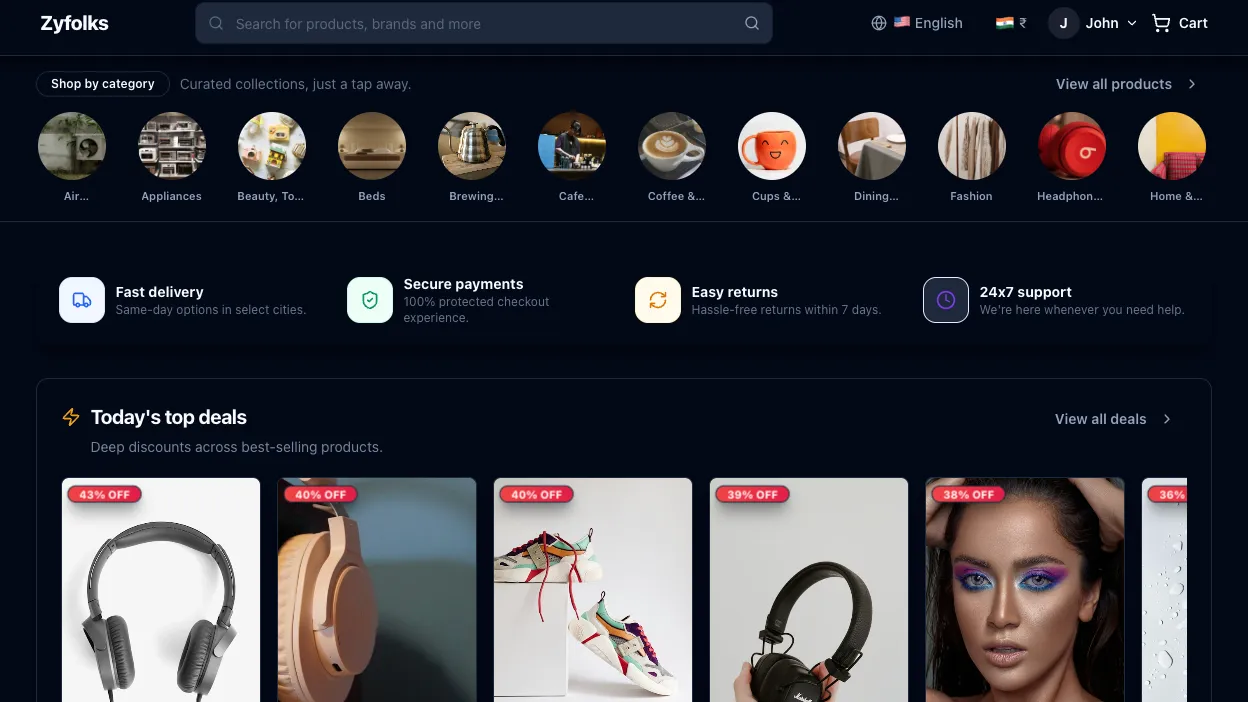
Customer-facing marketplaces, multi-tenant SaaS platforms, internal admin tools and operations dashboards, portals for B2B customers, and product-led web apps (think Notion-style tools, analytics platforms, vertical SaaS). We pick stack per project, not per fashion cycle.
Default is React / Next.js / TypeScript on the frontend, Node.js or NestJS on the backend, PostgreSQL + Redis. We also build with Python (Django / FastAPI) when the problem calls for it (data-heavy, ML-adjacent). We host on AWS, GCP, or Vercel/Netlify depending on operational fit.
Yes. Multi-tenant SaaS needs careful isolation: row-level security, tenant-scoped queries, role-based permissions, audit logging, and sensible onboarding defaults. We design these in from day one — retrofitting tenancy into a single-tenant app is painful and expensive.
A launch-ready MVP (signup, billing, core workflow, basic admin): 12–16 weeks. A full production SaaS with multi-tenancy, team roles, usage-based billing, integrations, and polished UX: 4–7 months. We ship weekly to a staging environment from week 2 so stakeholders see progress continuously.
Yes, and most modern SaaS needs it. Semantic search over customer data, AI-powered writing assistants, automated summaries, smart recommendations, and natural-language query interfaces are all patterns we've shipped. See our AI-Integrated Software service for the deeper playbook.
Yes. Full subscription infrastructure via Stripe, Razorpay, Paddle, or LemonSqueezy: plans and tiers, proration, trials, coupons, dunning, tax handling, invoice generation, and webhook-driven downstream sync. Our Integrations & APIs service page has more detail.
They are different jobs at different prices. A marketing site — around a dozen pages, your content, responsive, with a blog or CMS if you need one — is ₹40k–₹1L (roughly $450–$1.1k). A SaaS product is an application, and starts at ₹3L–₹5L for a first-cohort MVP; our SaaS cost guide breaks down all four tiers. If you are not sure which one you are asking for, the honest test is whether a stranger can sign up and do something: a site explains, a product does.
Have a project in mind?
Fixed price after a paid discovery — no hourly billing. A real engineer reads every enquiry, and we reply within 24 hours.