




Shopify or a custom store? The honest answer for most sellers
You're ready to sell online and everyone has an opinion. Half say "just use Shopify," half say "build your own." Here's the truth most agencies won't tell…

You’re ready to sell online and everyone has an opinion. Half say “just use Shopify,” half say “build your own.” Here’s the truth most agencies won’t tell you, because it doesn’t win them a big project: for a lot of sellers, a ready platform is the right call — and we’ll say so to your face.
If you sell a fairly normal catalog with a normal checkout, a ready platform gets you live in a week and you shouldn’t pay for a custom build. Go custom when your selling model breaks the template — unusual pricing, a referral-driven sales network, or an architecture you need to own as you grow. That’s a real project, not a monthly plan.
When a ready platform is the smart, cheap choice
If your store is really just products, a cart, and checkout, off-the-shelf tools already do that well. You’ll be live quickly and paying a small monthly fee. Spending lakhs to rebuild what a template already does isn’t ambition — it’s waste. A good partner tells you when you’re in this bucket instead of selling you a build you don’t need.
When the template starts fighting you (the light technical bit)
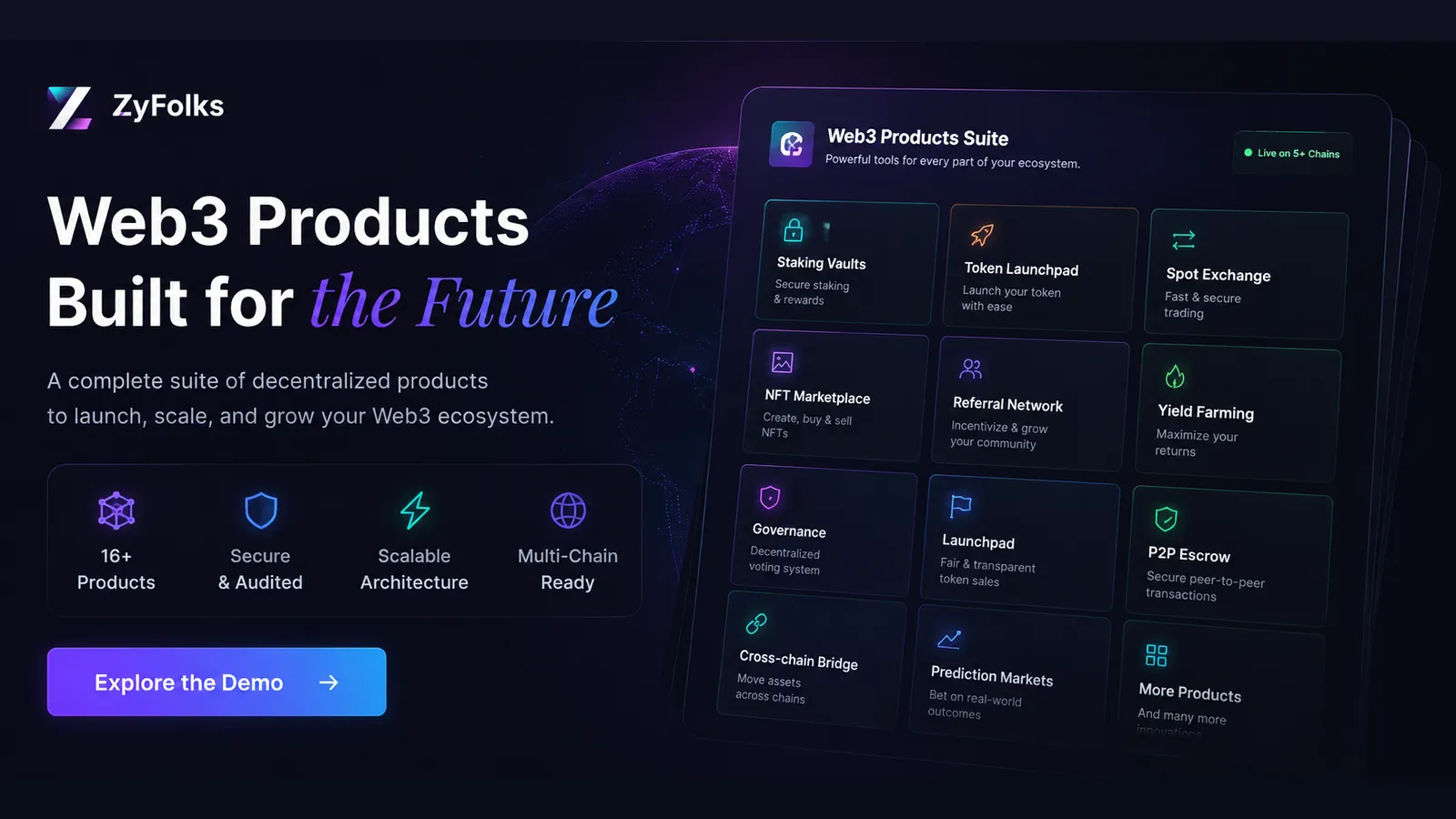
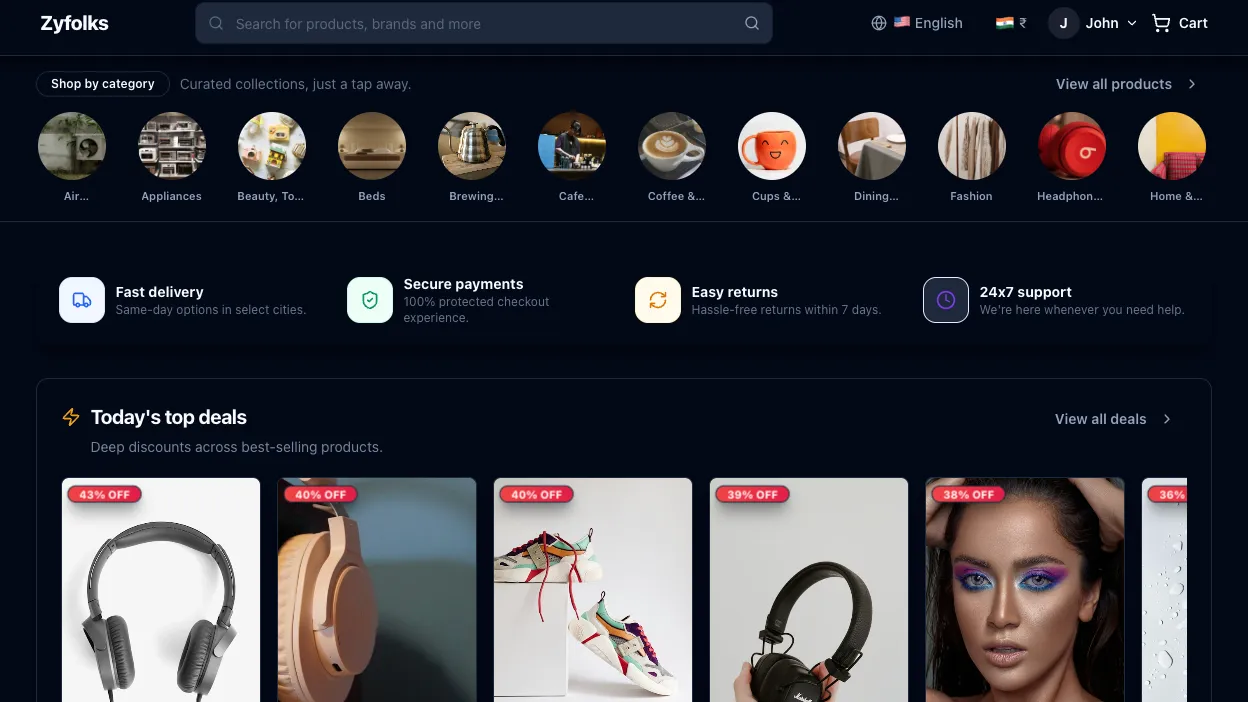
The tipping point is almost always the same: you need something the platform was never built to bend around. We built a complete ecommerce platform on a flexible, scalable architecture — product management, secure payments, order tracking — with the pieces kept loosely connected instead of welded together. That’s the unglamorous engineering choice that lets you add, say, a referral-driven sales channel later without tearing the whole store apart. On a rigid template, that same change means fighting the platform or abandoning it.
What a custom build actually costs
Honest ranges, not a magic number: a full-featured ecommerce build is typically a ₹5–10L, 1–2 month project, and what moves the price is complexity — how many custom flows, integrations, and unusual rules you need. If that sounds steep next to a subscription, that’s usually a sign you don’t need custom yet. Which is fine. Come back the day the template starts costing you sales.
FAQ
Can I start on a ready platform and move to custom later? Yes, and plenty of sellers do exactly that. Start cheap, prove the business works, and rebuild once you know precisely what the template can’t handle. Migrating for a real reason beats over-building on day one.
Will a custom store really handle growth better? It can — if it’s built for it. A scalable architecture means adding products, traffic, and new sales channels without a rebuild each time. But that only holds if growth was designed in from the start, not promised after.
Bottom line: buy the template when it fits, build custom the day it stops — and we’re happy to help you tell which day that is. See the storefront.