



Blockchain MLM Software
Commission logic your members can audit
We put the compensation plan itself into smart contracts, so a payout is a transaction anyone in the network can check rather than a number your admin panel asserts.
Talk to us about your projectWhere the trust actually comes from
Most MLM disputes are the same argument. A member believes their downline paid differently to what the plan says, and the only record is a database the operator controls. Putting the commission logic in a smart contract changes who has to be believed: the rule is public, the payout is a transaction, and neither can be edited afterwards.
That has a cost worth knowing before you start. On-chain logic is hard to change once deployed, so a plan you are still tuning every week is a poor fit for it. We generally keep the compensation maths in contracts and everything that legitimately moves, like reporting and member tools, in a conventional web app.
Capabilities
What goes into a launch
Chosen per plan. A binary with a spillover rule and a board cycler are different contracts, and the difference shows up in the audit rather than the brochure.
Compensation plan in contracts
Binary, matrix, unilevel, board and hybrid logic written as contract code, with a unit test for every commission scenario in your plan document.
Genealogy and rank tracking
Placement, spillover and rank advancement recorded on-chain, so a member can trace where a leg came from without opening a support ticket.
Crypto payouts and wallets
Wallet connection for members, payouts in stablecoins or your own token, and a withdrawal flow that does not sit behind a manual approval.
Token design and deployment
A token in a standard on-chain format with its distribution, vesting and liquidity setup, or an existing stablecoin if you would rather not launch an asset.
Member dashboard
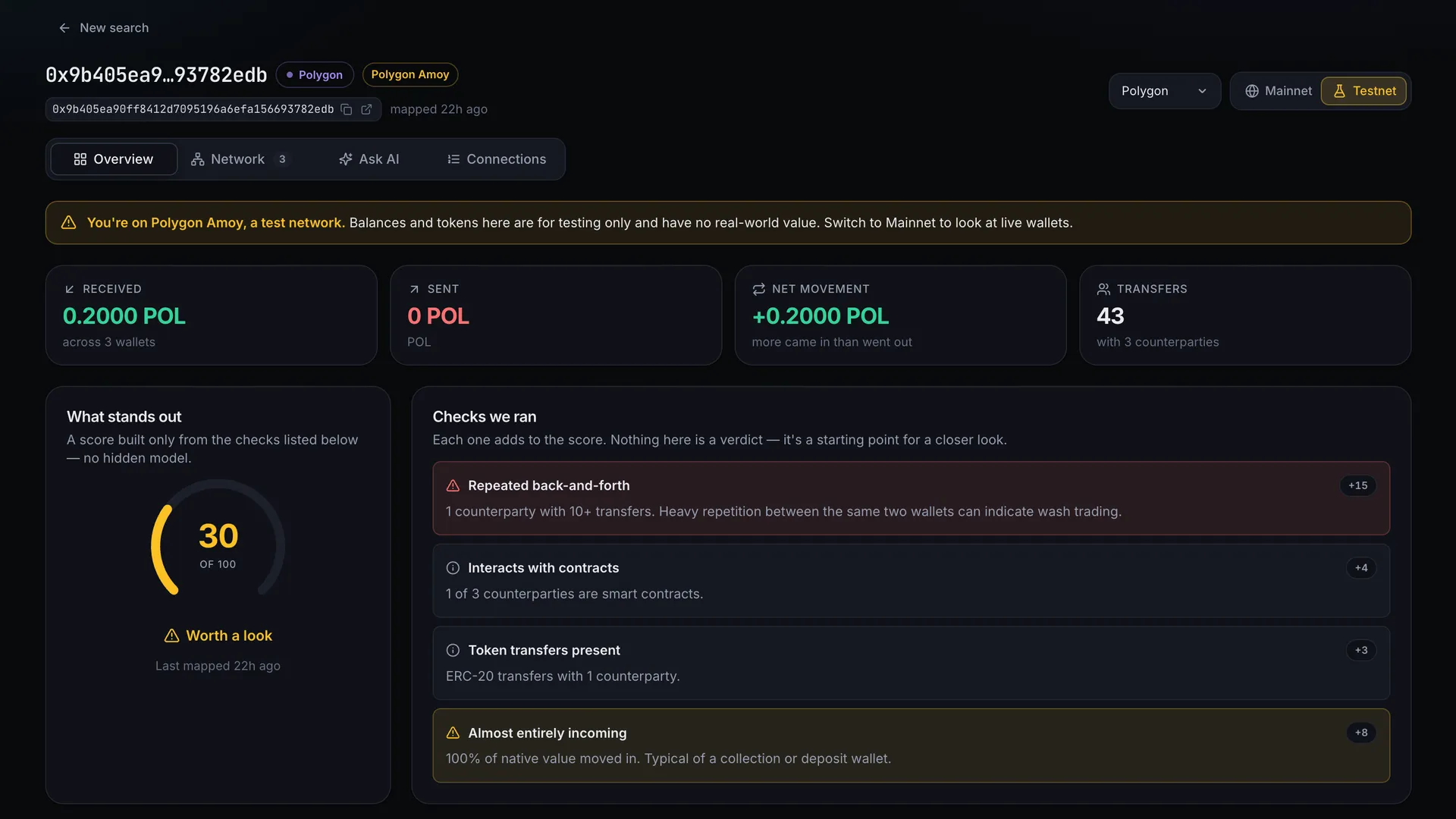
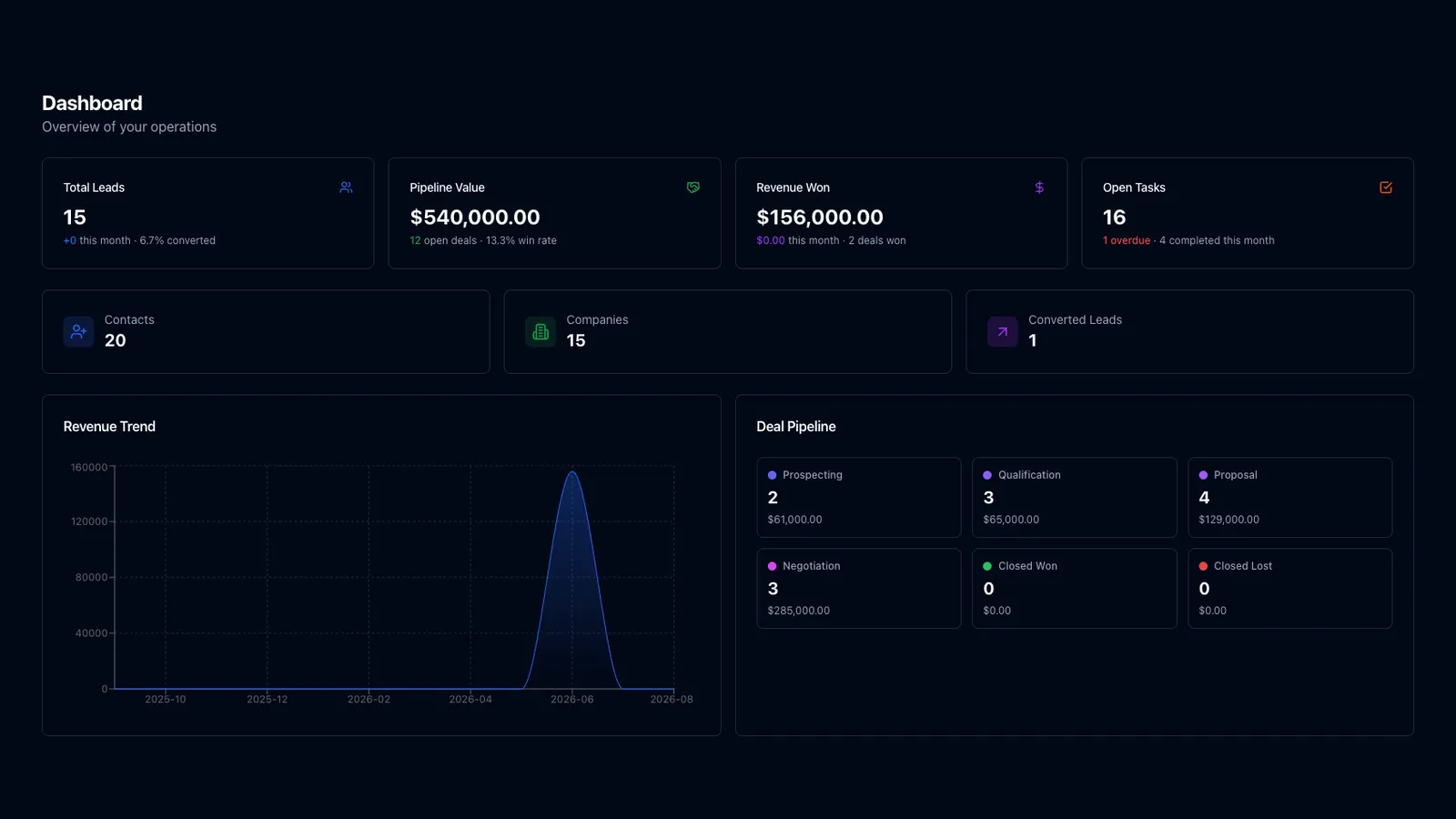
Referral link, downline tree, income split by bonus type, and the transaction hash behind each payout so the figure is checkable.
Admin panel
User management, network reports and plan parameters, with a clear line between what an admin can change and what the contract holds fixed.
Chain selection and gas
We pick the chain from where your members are and what a full payout run costs in gas, then measure that cost on testnet before launch.
Security review and audit
Internal review, then a third-party audit before mainnet, with testnet simulations running real joining and payout flows against the deployed contracts.
Event indexing backend
An indexer that reads contract events into a queryable database, so dashboards load instantly instead of scanning the chain on every request.
What you get
What you own at the end
All of it is handed over. If you replace us, the platform carries on running.
- Smart contracts
- Deployed and verified on-chain
- The contract source verified on the block explorer, the test suite covering each bonus type, and the deploy scripts. Verified source is what lets a member read the plan for themselves.
- Working platform
- Member app and admin panel
- The frontend, admin panel and indexing backend, with source code and environments handed over. Nothing about shipping the next change depends on us still being here.
- Audit report
- The third-party findings in full
- What was found, what we fixed, and anything we accepted instead of fixing with the reasoning attached. It is the document to show members, and often a bank opening your account.
- Operating notes
- Runbook and monthly running costs
- What a payout run costs to execute, which plan parameters an admin can still change and which are frozen in the contract, and what strains first as the network grows.
How we work
From plan document to mainnet
Timelines below are typical for a first launch. A plan still being redesigned mid-build is the usual reason a schedule slips, which is why that part comes first.
Plan modelling
1–2 weeksWe turn your compensation document into concrete rules and edge cases: a broken leg, a stalled cycle, a refund. If the plan cannot run legally where your members are, we say so here.
Contracts and testnet
3–5 weeksContract development with a test per bonus scenario, then a testnet deployment we push real joining, placement and payout flows through before anyone spends money.
Platform build
3–5 weeks, overlappingMember dashboard, admin panel and the indexing backend, built alongside the contracts so the interface is tested against deployed logic rather than a mock.
Audit, launch and after
2–3 weeks, then ongoingA third-party audit before mainnet. If it surfaces something structural we fix and re-audit rather than launch to schedule. After launch we watch payout runs and gas.
Is this the right service for you?
Worth reading before you get in touch. It saves both of us a call.
A good fit if…
- You have a written compensation plan, or a draft close to final
- Your members care that a payout can be verified, not only received
- You want commissions paid in a stablecoin or your own token
- You accept an audit before launch, and the cost of one
Probably not, if…
- Your plan changes weekly; a database platform suits that better, see Web & SaaS Platform Development
- You want blockchain in the pitch deck while payouts stay off-chain
- There is no product or service being sold, only recruitment income
- You need a general on-chain build with no MLM plan, see Custom Blockchain Solutions
Frequently Asked
Questions
Common questions about blockchain MLM platforms.
A multi-level marketing platform where the compensation plan (binary, matrix, unilevel, board) runs on smart contracts. Commissions, rank advancements, and payouts execute automatically on-chain — members can verify every transaction, and the operator can't manipulate the network retroactively.
All the common ones: binary, matrix (2x2, 3x3, forced-matrix), unilevel, board/cycler, generation, stairstep, and hybrid plans combining multiple structures. If you have a custom plan we haven't built before, we'll scope the smart-contract logic from your spec.
BSC (Binance Smart Chain) and Polygon are the most common choices because gas fees are predictable and low. Ethereum mainnet for projects that need maximum credibility. Solana for high-throughput networks. We recommend based on your user geography, volume, and token economics.
Yes if you want one. We build BEP-20 / ERC-20 / SPL tokens with the distribution mechanics, vesting, and liquidity setup. We also work with existing tokens (stablecoins, your own treasury token) if you don't want to launch a new asset.
A standard plan (binary or matrix) with a custom frontend typically ships in 8–12 weeks: smart-contract development, security audit, token deployment, dashboard, admin panel, testing on testnet, and mainnet launch. Complex plans or multiple integrations add time.
Every smart contract goes through internal review and, for production deployments, a third-party audit (CertiK, Hacken, or similar). We write unit tests for every commission scenario, run testnet simulations with real user flows, and only deploy to mainnet once the audit clears.
Have a project in mind?
Fixed price after a paid discovery — no hourly billing. A real engineer reads every enquiry, and we reply within 24 hours.